


Cottage cheese makes surprisingly good dessert. Blended smooth, it turns into something close to cheesecake filling, and nobody at the table has to know where it came from. These cottage cheese dessert recipes cover no-bake cheesecake, chocolate pudding, ice cream, brownies, cookie dough and a frozen bark you break into pieces, with 6 to 19 grams of protein per serving.
Nine of them are full recipes on the blog. The other six are quick ideas you can make in a few minutes from a tub of cottage cheese and what’s in the pantry. Every number comes from USDA FoodData Central for the amounts listed.
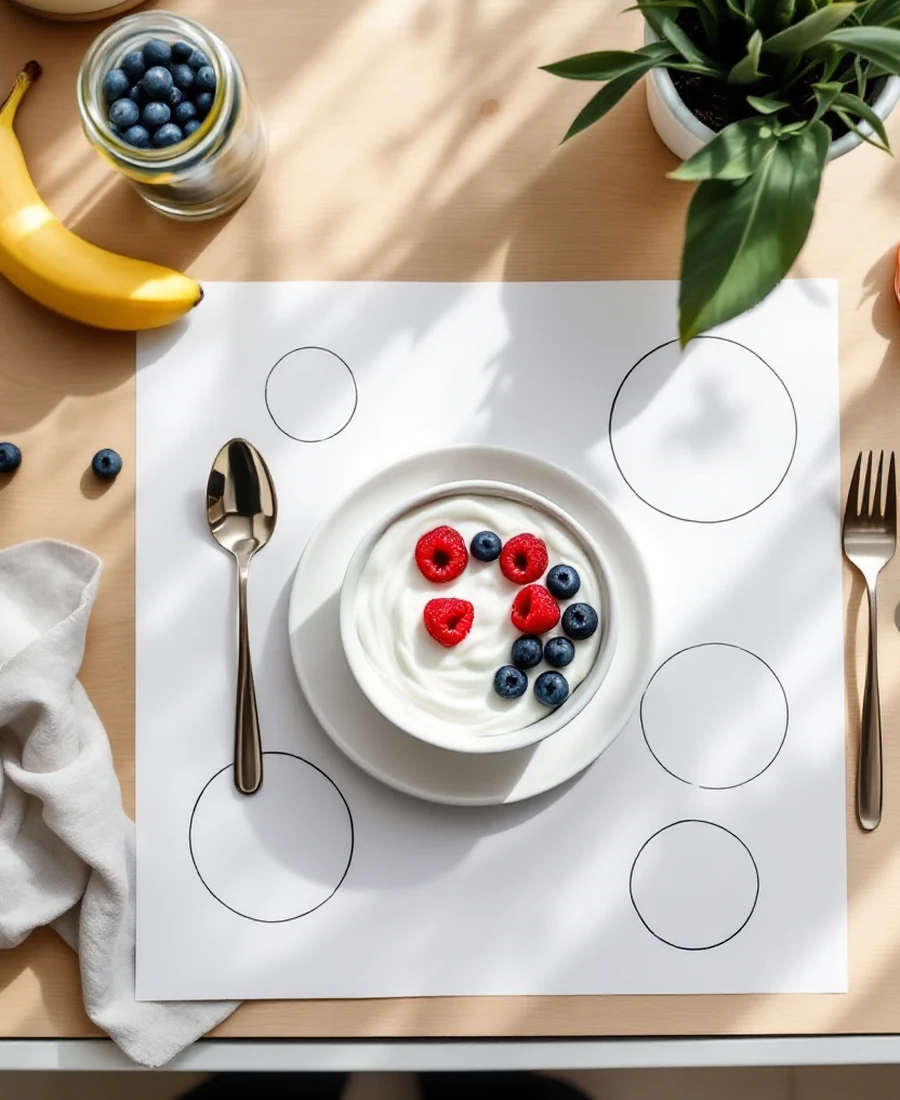
Like treats that pull their weight? Our free life-size Starter Pack includes peanut butter protein balls and a chocolate peanut butter smoothie: 5 printable mats you lay on the counter and fill, no measuring.
How to make cottage cheese desserts taste like dessert
Three things make the difference between “healthy dessert” and dessert you actually want seconds of:
- Blend it first. Thirty to sixty seconds in a blender or food processor turns the curds into a silky cream. This is the single biggest step. Unblended curds are fine in a fruit bowl, but in a pudding or cheesecake you want it smooth.
- Use a little real sweetener. A teaspoon or two of honey or maple syrup per serving is enough. Ripe fruit does the rest.
- Add a strong flavor. Cocoa, vanilla, lemon, espresso and peanut butter all cover the slight tang of cottage cheese. Plain vanilla alone is the hardest flavor to pull off.
I use low-fat (2%) cottage cheese for the numbers below. Full-fat blends a bit creamier. Small curd and large curd taste the same once blended.
No-bake cottage cheese desserts
1. No-bake cottage cheese cheesecake (11g protein a slice)
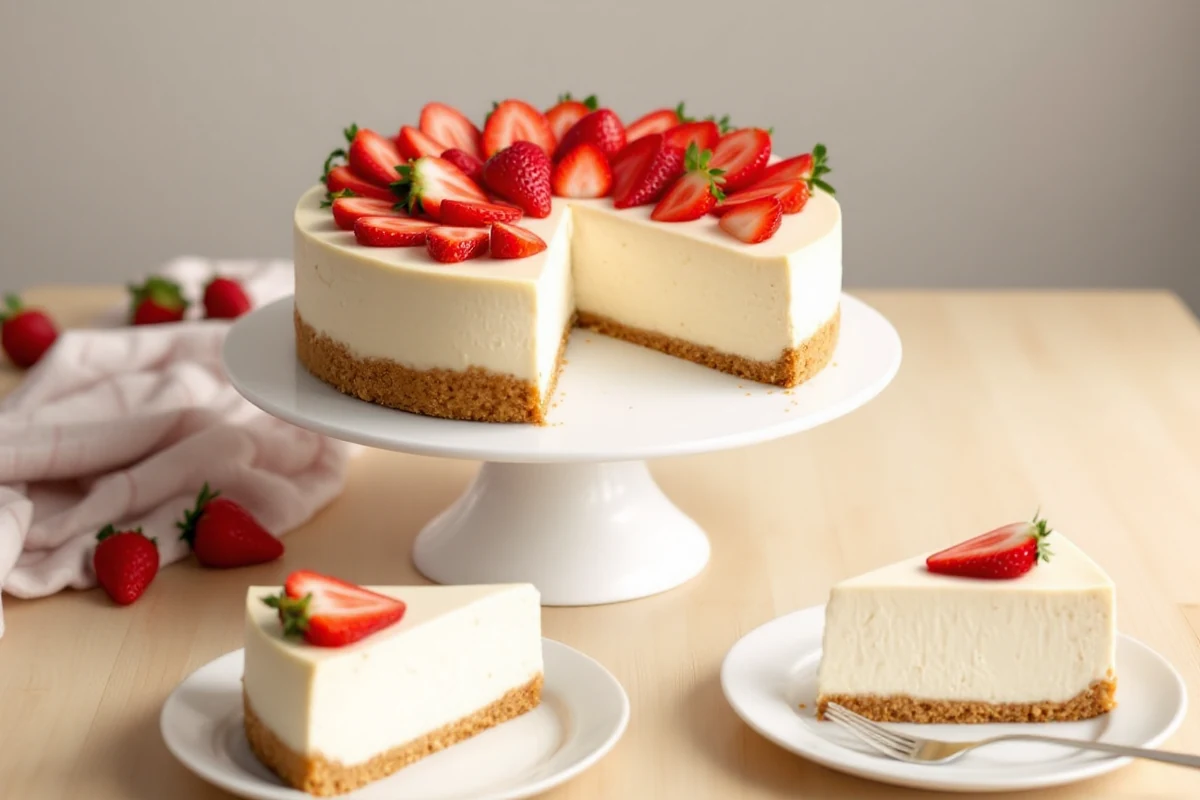
Blended cottage cheese, Greek yogurt and a little cream cheese set with gelatin over a graham crust. It slices neatly and has about half the calories of a store-bought slice. Get the recipe.
2. Chocolate cottage cheese pudding (14g protein, 4g fiber)

Cottage cheese, cocoa, maple syrup and vanilla in the blender for one minute. It thickens in the fridge into something between pudding and mousse. It makes an easy after-school snack. Get the recipe.
3. Chocolate peanut butter mousse (16g protein)
A one-serving version for when you want chocolate right now. Blend 1/2 cup cottage cheese, 1 tablespoon cocoa powder, 1 tablespoon peanut butter and 1/2 tablespoon maple syrup until smooth. Eat it right away as a soft mousse or chill it 30 minutes to firm up. 225 calories and 16g protein.
4. Strawberry cheesecake cups (13g protein)
All the flavor of cheesecake with zero setting time. Blend 1/2 cup cottage cheese with 1 teaspoon honey and 1/2 teaspoon vanilla. Crush 1 graham cracker sheet into the bottom of a glass, spoon in the cream and top with 1/2 cup sliced strawberries. 203 calories.
5. Lemon blueberry cheesecake whip (12g protein)
Bright and light, good after a heavy dinner. Blend 1/2 cup cottage cheese, 2 teaspoons lemon juice, 1 1/2 teaspoons honey and a little lemon zest, then fold in 1/2 cup blueberries. 166 calories, one of the lightest desserts here.
6. Tiramisu cottage cheese cups (13g protein)
Dip 1 graham cracker sheet, broken in half, in 2 tablespoons cold espresso and lay it in a small glass. Blend 1/2 cup cottage cheese with 1/2 tablespoon maple syrup and 1/2 teaspoon vanilla, spoon it over, and dust with a heaped teaspoon of cocoa. Let it sit 15 minutes so the cracker softens like ladyfingers. 193 calories.
7. Cottage cheese jello salad, the light version (10g protein)
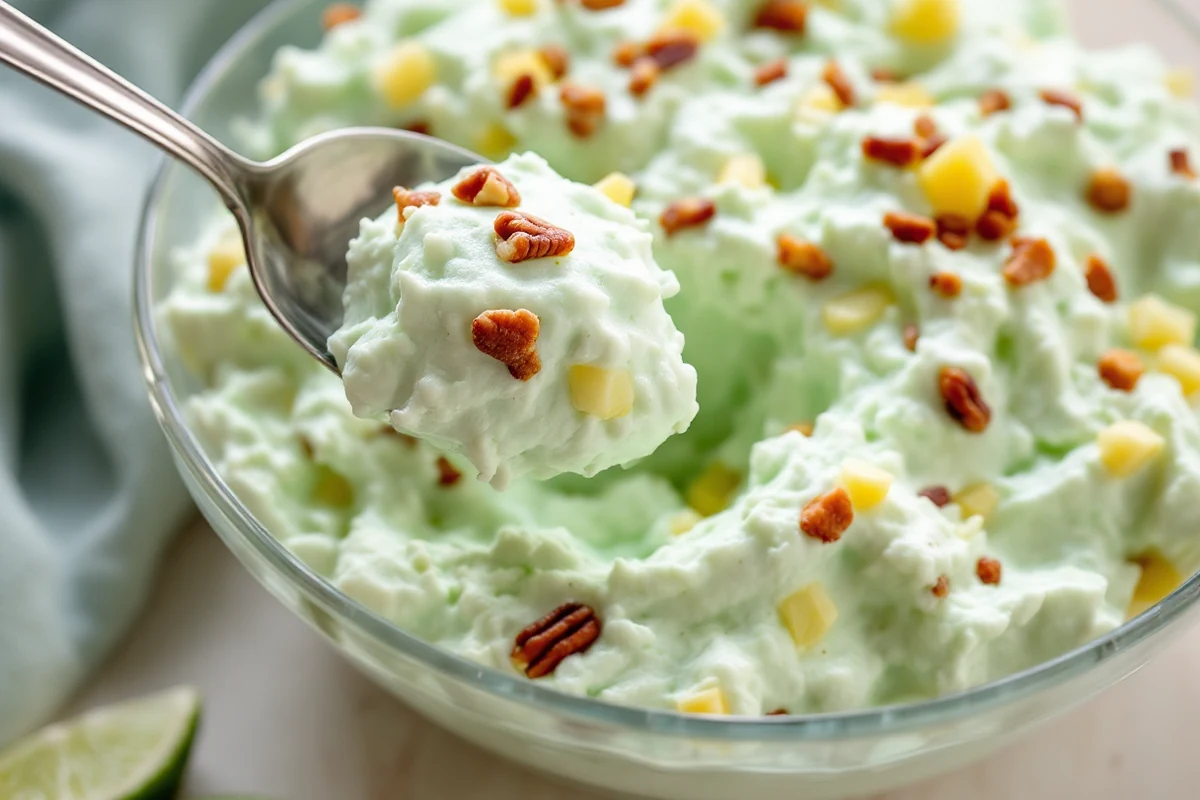
The retro potluck classic made with sugar-free lime gelatin, crushed pineapple, cottage cheese and a lighter whipped topping. Sweet, creamy and nostalgic. Get the recipe.
Frozen cottage cheese desserts
8. Cottage cheese ice cream (19g protein a cup)
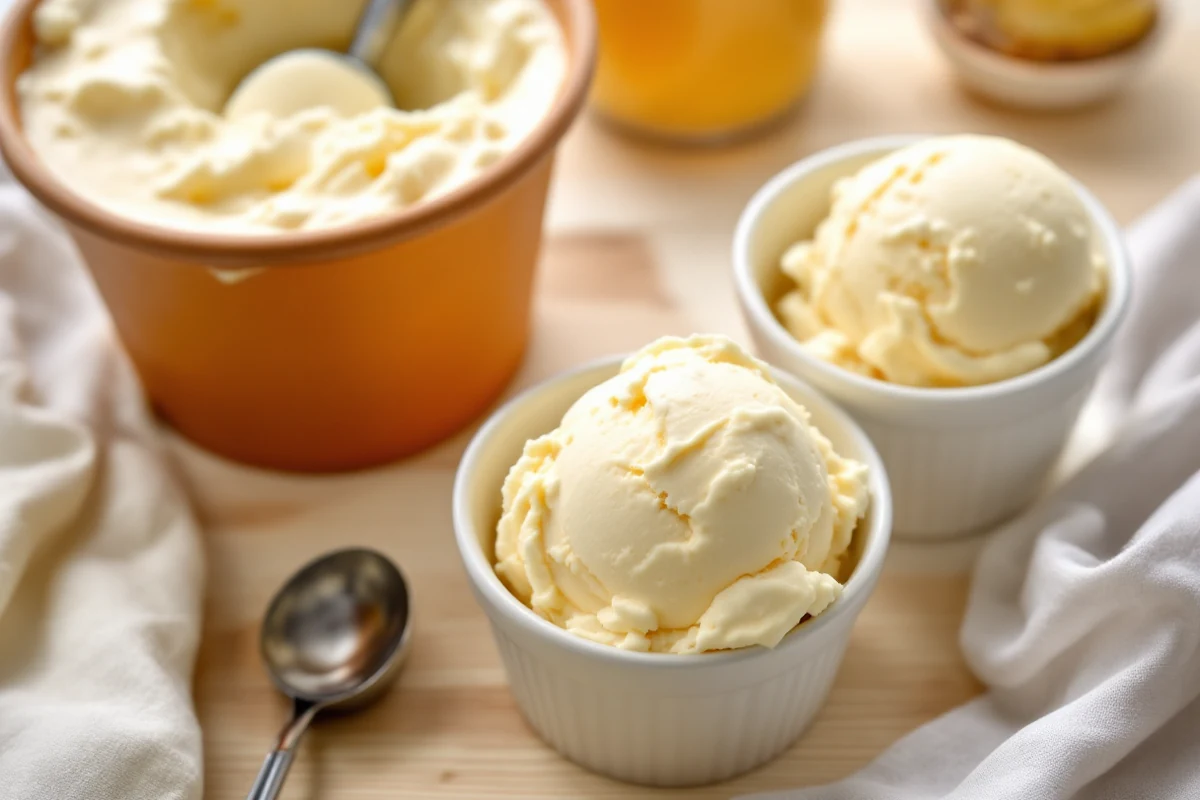
The highest-protein dessert here. Blend, freeze and spin in a Ninja Creami, or use the no-machine method with ice cube trays and a food processor. A cup of regular vanilla ice cream has about 5g of protein. Get the recipe.
9. Frozen cottage cheese berry bark (13g protein)
The viral one, and easy to make for 4. Blend 2 cups cottage cheese with 2 tablespoons honey until smooth and spread it about 1/2 inch thick on a parchment-lined tray. Scatter 1 cup chopped strawberries and 1/2 cup blueberries on top and drizzle with 1 ounce melted dark chocolate (70 to 85%). Freeze 3 hours, then break into pieces. Let it sit 5 minutes before eating so it softens a little. A quarter of the tray is 188 calories and 13g protein. Keep it in a freezer bag for up to a month.
Baked cottage cheese desserts
10. Cottage cheese brownies (6g protein a square)
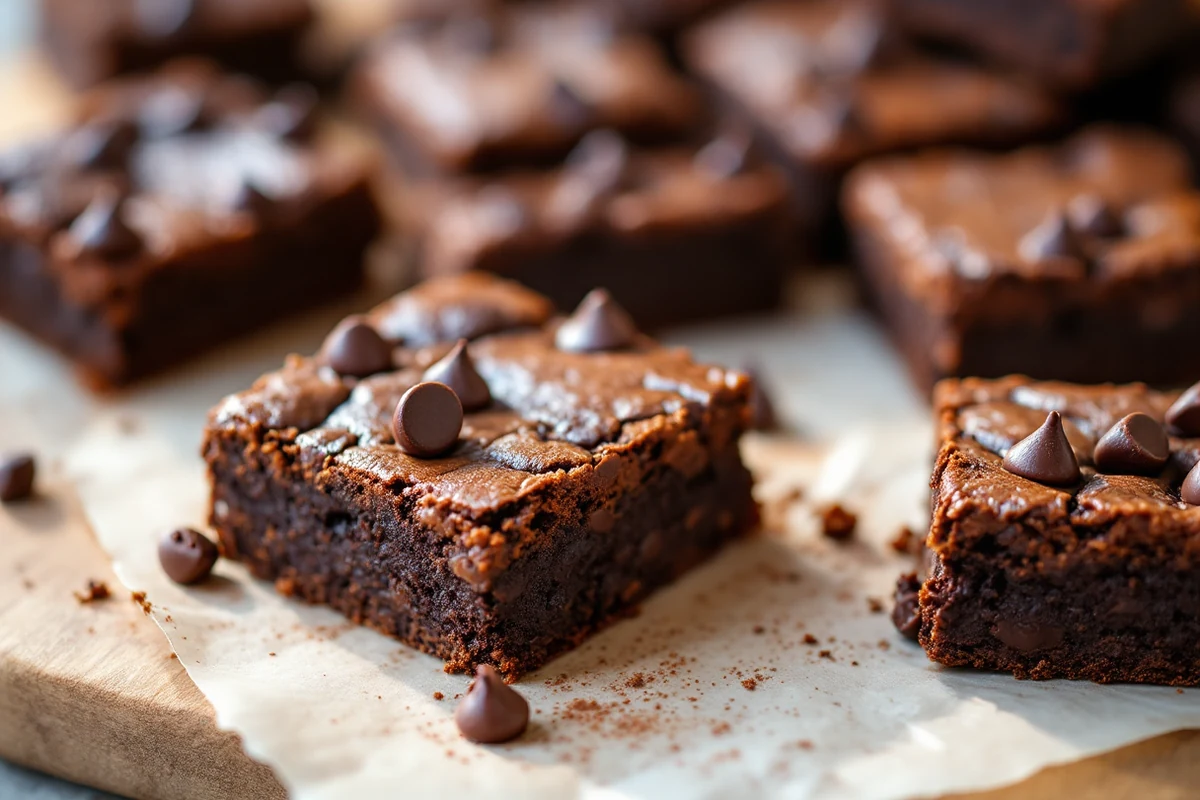
Fudgy, made in a blender with cocoa, oats, eggs and maple syrup, no butter. 144 calories a square against about 280 for a classic homemade brownie of the same size. Get the recipe.
11. Cottage cheese protein cookies (9g protein per 2)
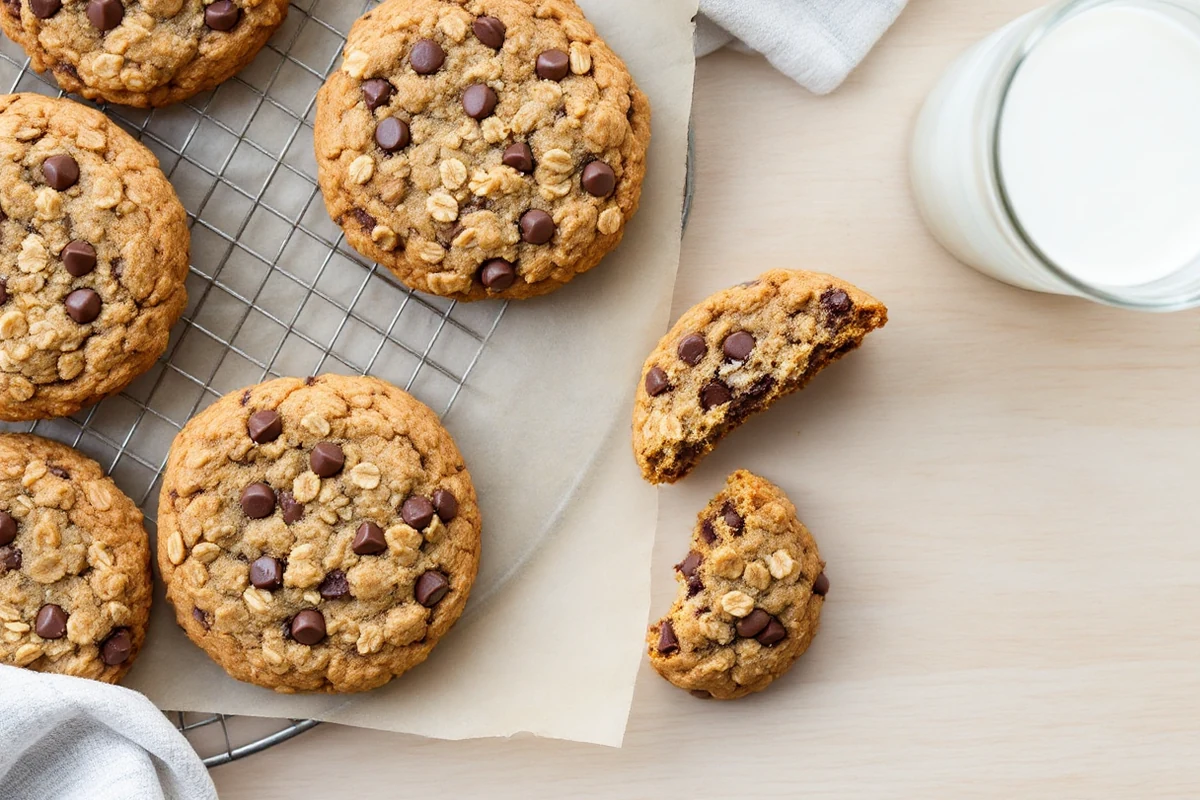
Oatmeal chocolate chip cookies with blended cottage cheese in the dough. Soft in the middle, crisp at the edges. Get the recipe.
12. Cottage cheese banana bread (8g protein a slice)
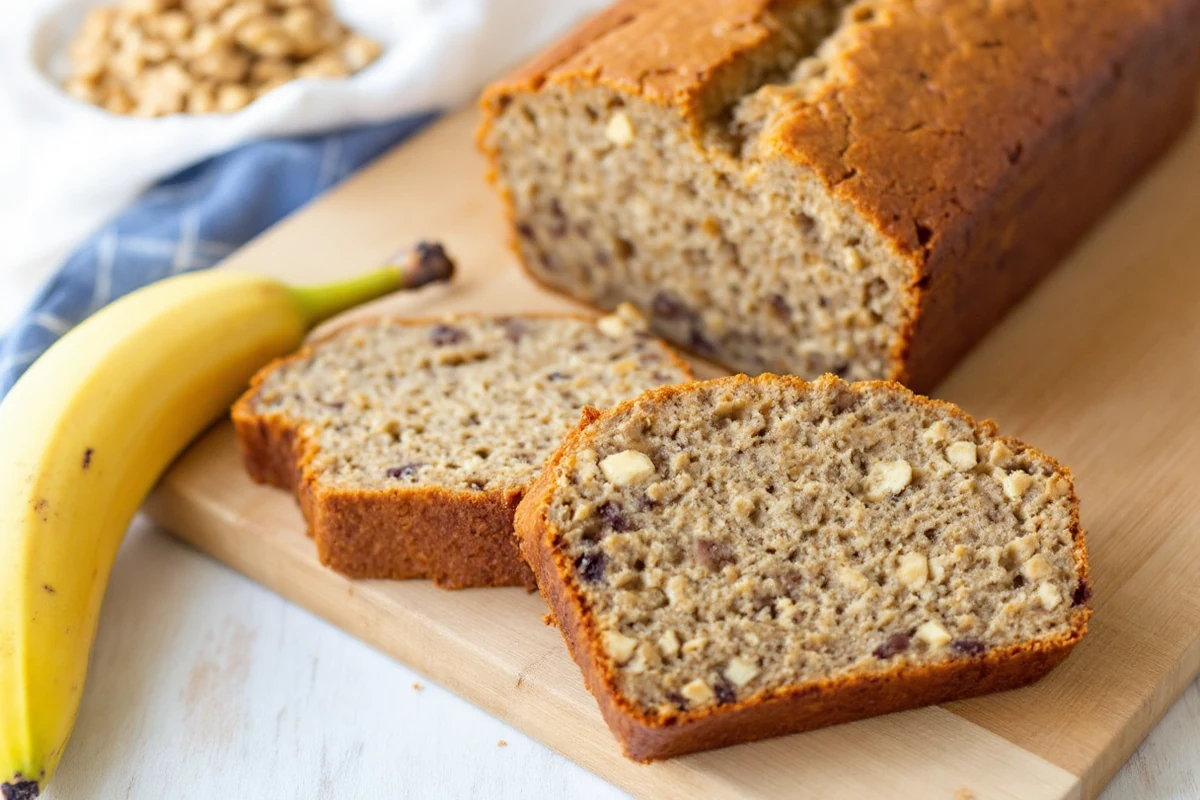
Moist banana bread with no butter or oil, made with whole wheat flour and walnuts. Nearly 3 times the protein of a classic slice. Get the recipe.
13. Warm peach crumble bowl (16g protein, 6g fiber)
A 5-minute crumble with no oven. Slice 1 medium peach and microwave it 2 minutes with 1/2 teaspoon cinnamon and 1/2 tablespoon maple syrup. Toast 1/4 cup rolled oats and 1 tablespoon chopped pecans in a dry pan for 3 minutes. Spoon the warm peaches over 1/2 cup cold cottage cheese and scatter the oats on top. Warm and cold together is the whole point. 303 calories and the most fiber of any dessert here. Frozen peach slices work in winter.
Cottage cheese dessert bites and dough
14. Cottage cheese cookie dough (10g protein per 1/2 cup)

Edible cookie dough with toasted oat flour, peanut butter and mini chocolate chips, no protein powder and no raw flour. Half the calories of store-bought dough. Get the recipe.
15. Cottage cheese protein balls, brownie flavor (8.5g protein per 2)
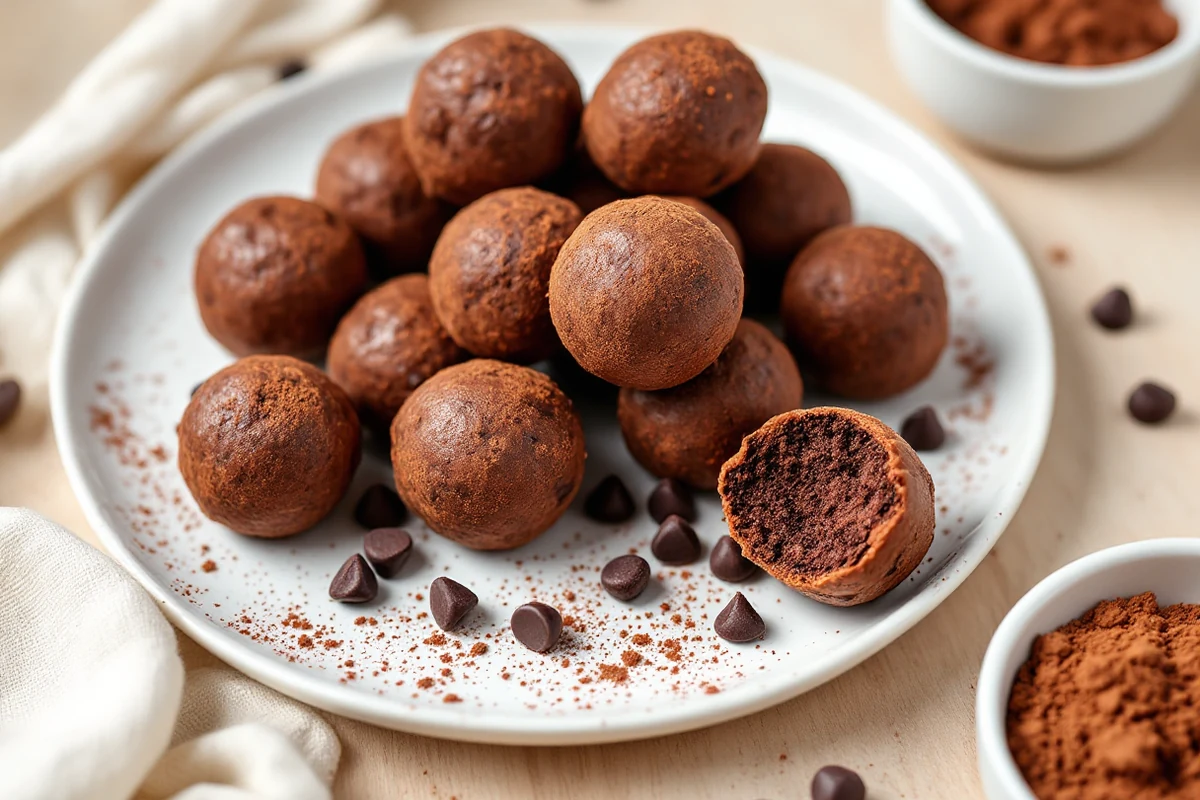
No-bake bites with oats, cocoa and blended cottage cheese, rolled in a few minutes and kept in the fridge for a week. Get the recipe.
All 15 cottage cheese dessert recipes at a glance
| Dessert | Serving | Protein | Fiber | Sugars | Calories |
|---|---|---|---|---|---|
| Cottage cheese ice cream | 1 cup | 19g | 0g | 27g | 231 |
| Chocolate PB mousse | 1 serving | 16g | 3g | 12g | 225 |
| Warm peach crumble bowl | 1 bowl | 16g | 6g | 24g | 303 |
| Chocolate pudding | 1 cup | 14g | 4g | 18g | 178 |
| Strawberry cheesecake cups | 1 glass | 13g | 2g | 18g | 203 |
| Tiramisu cups | 1 glass | 13g | 2g | 14g | 193 |
| Frozen berry bark | 1/4 tray | 13g | 2g | 19g | 188 |
| Lemon blueberry whip | 1 serving | 12g | 2g | 20g | 166 |
| No-bake cheesecake | 1 slice | 11g | 1g | 17g | 198 |
| Jello salad (light) | 1 serving | 10g | 1g | 13g | 147 |
| Cookie dough | 1/2 cup | 10g | 2g | 13g | 212 |
| Protein cookies | 2 cookies | 9g | 3g | 12g | 202 |
| Protein balls | 2 balls | 8.5g | 3g | 10g | 165 |
| Banana bread | 1 slice | 8g | 3g | 12g | 193 |
| Brownies | 1 square | 6g | 3g | 16g | 144 |
Cottage cheese desserts vs the classic versions
Here’s how our full recipes compare with the usual versions, from the USDA comparisons in each post:
| Dessert | Ours | Classic version |
|---|---|---|
| Cheesecake, 1 slice | 11g protein, 198 calories | about 7g protein, 400 calories (store-bought) |
| Chocolate pudding, 1 cup | 14g protein | about 2g protein (store pudding cup) |
| Ice cream, 1 cup | 19g protein | about 5g protein (vanilla ice cream) |
| Cookie dough, 1/2 cup | 10g protein, 213 calories | about 4g protein, 438 calories (refrigerated dough) |
| Brownie, 1 square | 6g protein, 144 calories | about 4g protein, 280 calories (homemade) |
| Banana bread, 1 slice | 7.6g protein | about 2.6g protein |
| Jello salad, 1 serving | 10g protein, 147 calories | 8g protein, 235 calories (regular gelatin, full-fat) |
They’re still desserts. The point is that each one brings real protein along with the sweet part, so it fills you up more than a cookie on its own.
The honest fine print: sugar and sodium
Two numbers worth knowing before you make these every night:
- Sugar. Total sugars run from 10 to 27 grams per serving. That count includes the natural sugar in fruit and milk, not only honey and maple syrup. The ice cream and the peach crumble are the highest. If you want less, cut the honey or maple in half. Ripe fruit usually carries the flavor.
- Sodium. Cottage cheese is salty for a dairy food. Half a cup of 2% cottage cheese has about 350mg of sodium by USDA data, which is around 15% of the daily value. In a dessert you may not taste it, but it adds up if you also eat cottage cheese at breakfast and lunch. No-salt-added cottage cheese has about 15mg per half cup, and it works well in all the blended desserts here, since the sweetener and flavorings cover the plainer taste.
Which cottage cheese is best for desserts?
- 2% (low-fat): my default. Creamy enough once blended, with a good protein-to-calorie balance.
- 4% (full-fat): richer and silkier, closest to real cheesecake. Use it for the no-bake cheesecake or the ice cream if you want them extra creamy.
- Nonfat: slightly more protein and fewer calories, but a little chalky in no-bake desserts. Fine in baked ones like the brownies.
- No-salt-added: best for anything sweet, if your store carries it.
Want to skip the store altogether? You can make homemade cottage cheese from milk and vinegar in 30 minutes.
How to make cottage cheese desserts ahead
- Up to 4 days in the fridge: chocolate pudding, mousse, lemon whip and the cheesecake cups (keep the graham cracker separate until serving so it stays crunchy).
- Up to a week: the protein balls and the cookie dough in a sealed container.
- Freezer, up to 3 months: brownies, cookies and banana bread slices. The berry bark and the ice cream keep about a month before ice crystals set in.
- Best fresh: the peach crumble and the tiramisu cups. They take 5 minutes, so there’s no need to prep them.
A simple weekly dessert plan
Sunday: blend a big batch of chocolate pudding (four cups) and bake a pan of brownies. That’s dessert for the week, with a frozen bark tray as a backup. If you like variety, swap one pudding night for a strawberry cheesecake cup, which uses the same tub of cottage cheese.
FAQ
What kind of dessert can you make with cottage cheese?
Almost any creamy dessert: no-bake cheesecake, chocolate pudding or mousse, ice cream, cheesecake cups, frozen yogurt-style bark and lemon whip. It also works in baked desserts like brownies, cookies and banana bread, where it replaces some of the butter.
Can you taste cottage cheese in desserts?
Not when it’s blended smooth and paired with a strong flavor like chocolate, lemon, coffee or peanut butter. You notice a slight tang in plain vanilla desserts, a bit like cheesecake.
Do you have to blend cottage cheese for desserts?
For puddings, mousse, cheesecake and ice cream, yes. Blending gives the smooth texture. For fruit bowls like the peach crumble, you can leave the curds whole.
Are cottage cheese desserts healthy?
They have more protein than most desserts and usually fewer calories than the classic versions. They still contain sugar, and cottage cheese brings sodium, so treat them as a better dessert, not a free one.
Can you bake with cottage cheese?
Yes. It adds moisture and protein to brownies, cookies, muffins and banana bread. Blend it first so there are no curds in the crumb.
More cottage cheese recipes
Starting the day with it too? See our 13 cottage cheese breakfast recipes. For the main course, there are 15 cottage cheese dinner recipes. Or learn the base for half of these desserts in whipped cottage cheese, plus 10 ways to eat it. For a sweet breakfast that tastes like cheesecake, try the cottage cheese chia pudding. All of our cottage cheese recipes are in one place: 35 healthy cottage cheese recipes.
The short version
Blend it, sweeten it lightly and give it a strong flavor. These 15 cottage cheese dessert recipes go from a 5-minute mousse to a fudgy pan of brownies, with 6 to 19 grams of protein per serving and USDA numbers for every one.

Get the free life-size Starter Pack. 5 printable mats (4 meals + a snack) plus a weekly protein and fiber tracker. Lay a mat on the counter and match each ingredient to its shape, no measuring cups.


Leave a Reply